
Building Climate Resilience With and For Children
Nearly every child in the world is exposed to climate hazards. They are bearing the adverse impacts of climate events they did not even cause. Child- and youth-led climate initiatives globally show that they refuse to stand on the sidelines. Fighting for their future, children want an integral role in climate discussions and decision-making.
Francisco Vera Manzanares from Colombia won the 2026 International Children’s Peace Prize for placing children’s rights at the heart of climate justice. As a child climate leader, Francisco is a powerful example of children and young people who are spearheading climate action initiatives and advocating for the inclusion of their voices and experiences in climate policymaking.
Every year, KidsRights publishes a report on the theme of the winner of the International Children’s Peace Prize to highlight the need to prioritize and address specific children’s rights concerns.
This year’s report ‘Building Climate Resilience With and For Children’ provides an overview of the disproportionate impact of extreme climate and weather events on children’s rights.
Children’s rights are severely impacted by climate events
Children have a right to a clean, healthy and sustainable environment, but they are already experiencing serious and disproportionate consequences of an escalating climate crisis that directly affects their right to life, health, education, protection and participation, and many other rights guaranteed by the UN Convention on the Rights of the Child. The report finds that:
- 8 billion children are exposed to droughts
- 2 billion children are directly exposed to extreme heat (temperatures over 35°C)
- 1 in 3 children live in areas with high or extremely high water scarcity
- education of 171 million children was disrupted in 2025 across 97 countries
- 21,000 child displacements occur every day due to climate hazards
Climate events are also resulting in an increase in neonatal deaths, child marriages, child labour, and multidimensional childhood poverty.
Child- and youth-led climate action
Children and young people are willing to take action and shoulder responsibility for a sustainable future, but they are consistently ignored, and their inputs are not included in critical climate action plans. A child-rights based approach to climate policymaking requires countries to recognize children as rights-holders and not just as passive recipients.
The report highlights the impact of Francisco Vera Manzanares (Colombia), International Children’s Peace Prize Winner 2026. It also showcases examples of child- and youth-led climate action from our State of Youth Chapters:
- Speak Out Youth (Indonesia) – Alya Sabira
- State of Youth Bulawayo (Zimbabwe & Mauritius) – Alwande Moyo
- Revivals Egypt – Yasin Ahmed
Recommendations
KidsRights calls on all countries to:
- Adopt and implement child-sensitive climate resilience measures: ensure climate policies and actions adopt a child-centric approach to resilience. They must especially prioritize the sectors children rely on the most and directly address their heightened and unique vulnerabilities.
- Actively facilitate the meaningful involvement of children in climate policymaking and decision-making: meaningfully involve children in climate decision-making at the municipal, national, regional and international levels to ensure their voices are heard and their concerns are addressed.
More news
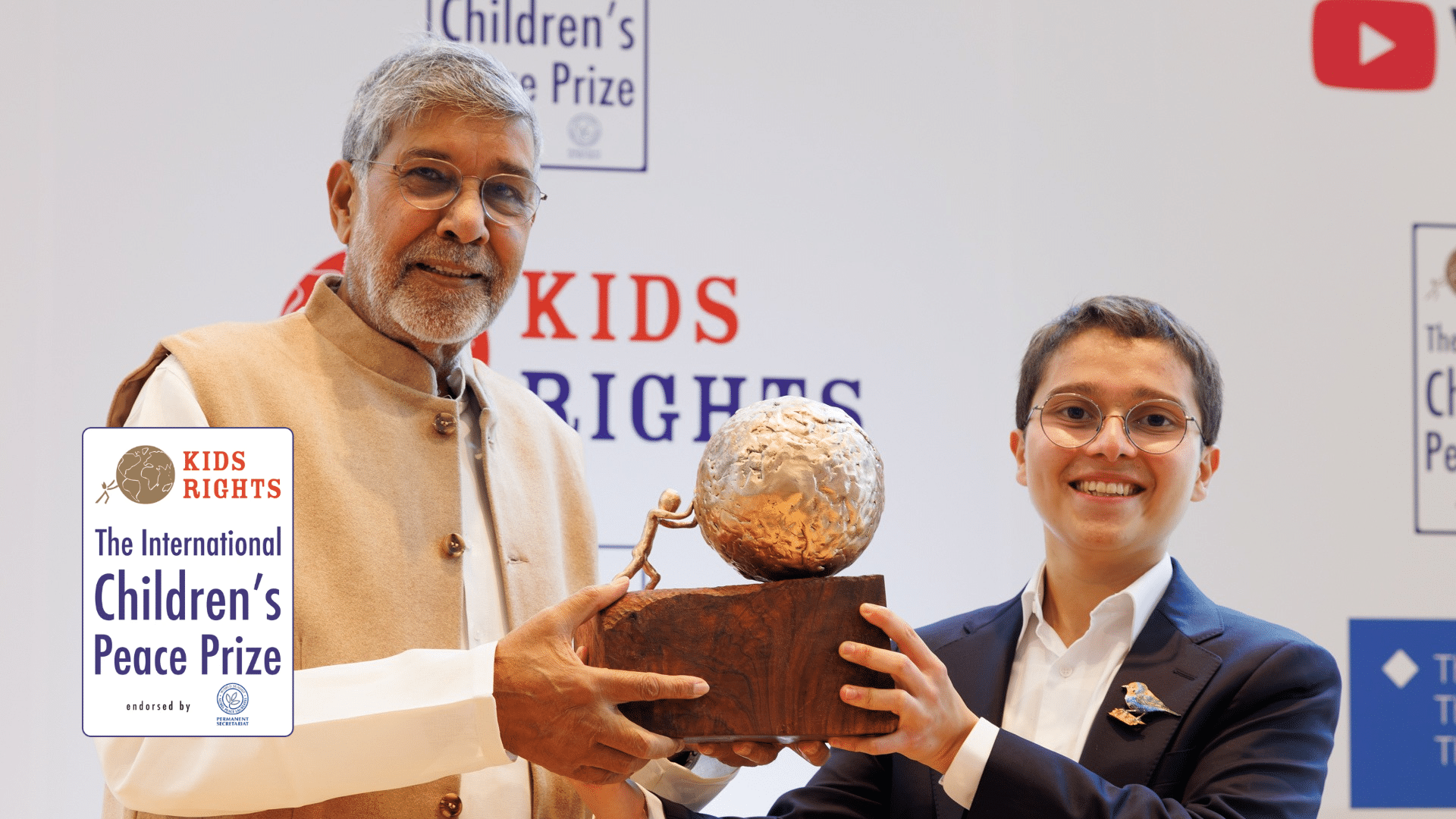
Francisco Javier Vera Manzanares wins the International Children’s Peace Prize 2026
The 17-year-old Colombian climate activist has been recognized for putting children’s rights at the heart of climate justice.
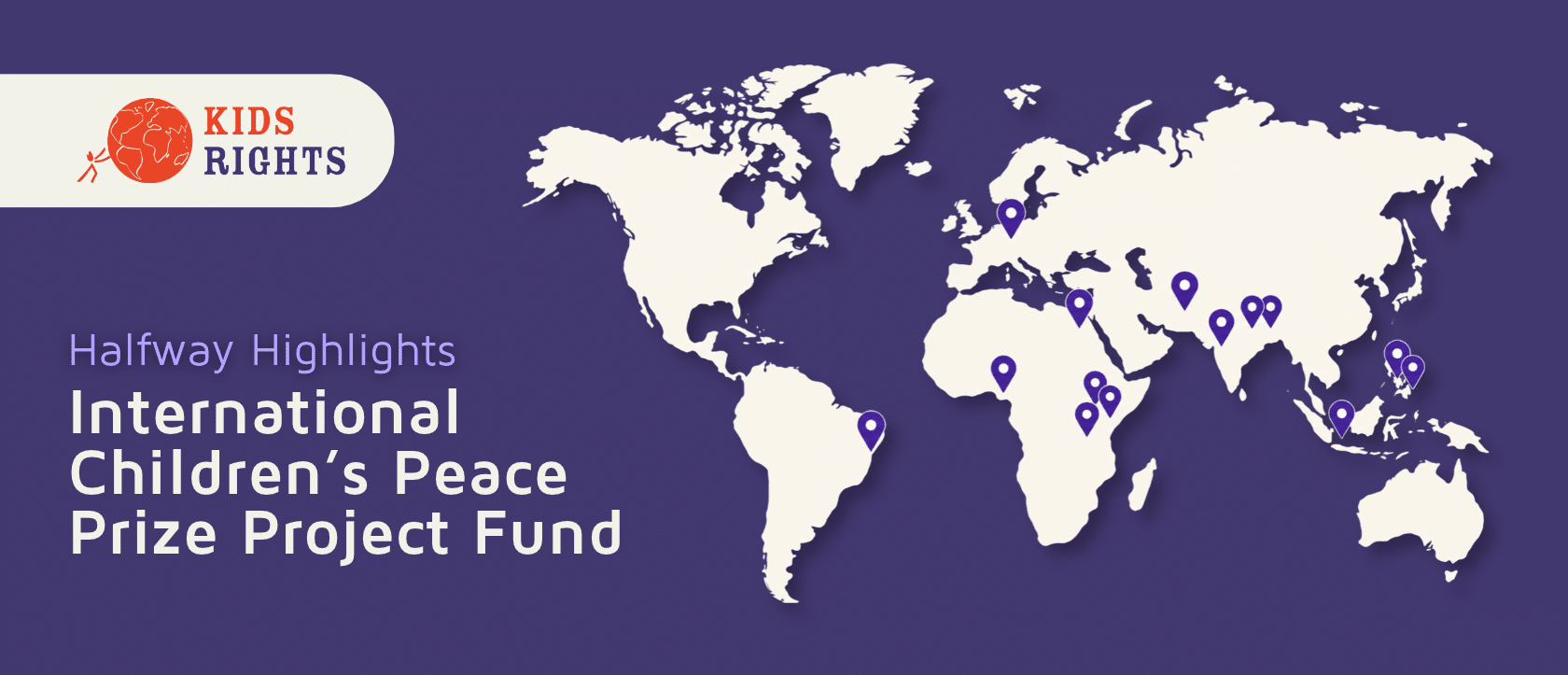
Halfway there: peace and education projects making an impact around the world!
Highlighting 15 State of Youth Chapters and their projects promoting peace and education, inspired by International Children's Peace Prize winner, Bana Alabed.
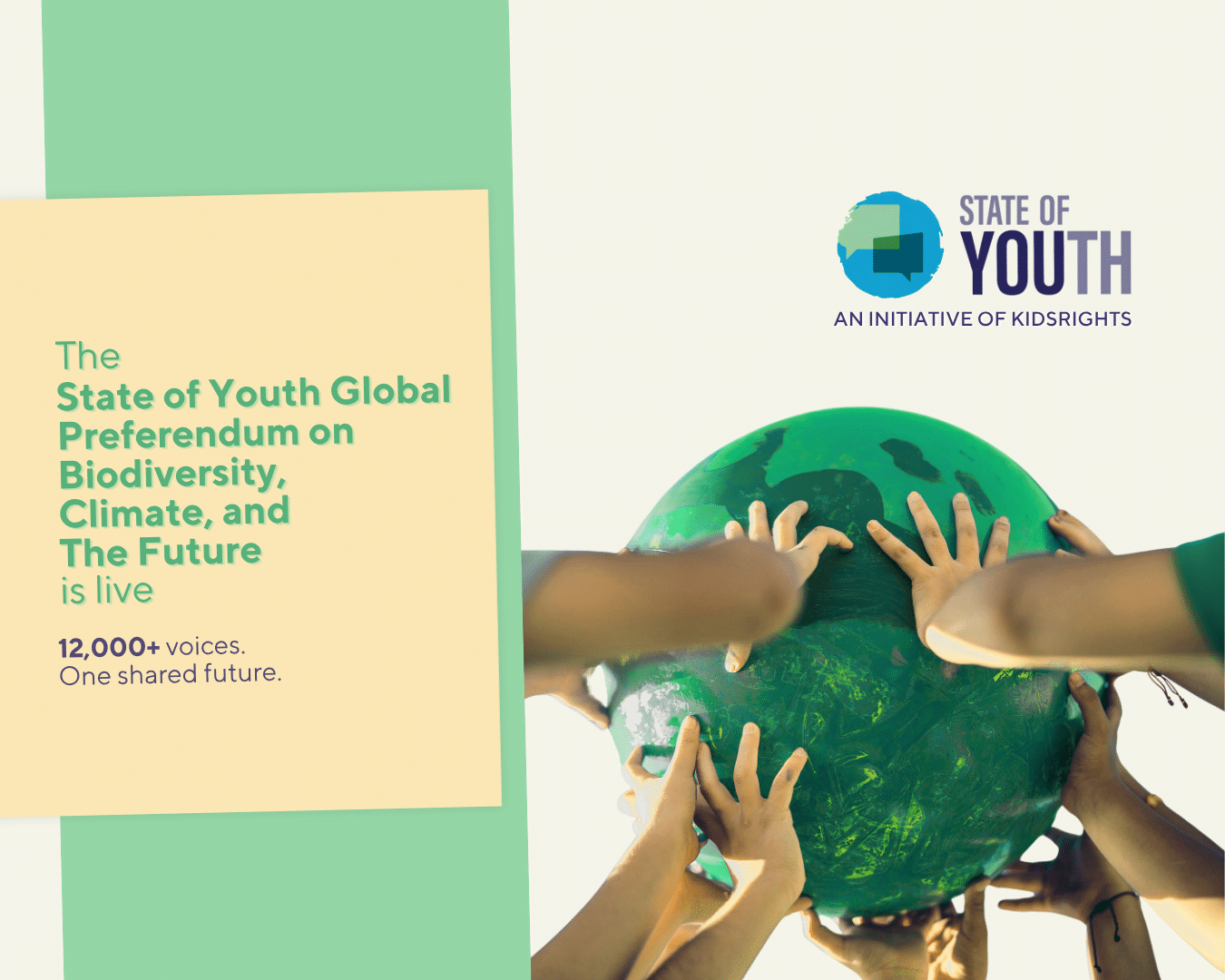
State of Youth Global Preferendum: Young people are ready to protect biodiversity
State of Youth Global Preferendum: Young people are ready to protect biodiversity