The KidsRights Index 2026, now in a version written for children and young people.
Every child has the right to understand their rights and how they are respected worldwide. That is why the KidsRights Index 2026 is also available in a child-friendly version. Children and young people can read the findings themselves, and act on them.
The KidsRights Index is the only global ranking that measures, every year, how children’s rights are respected around the world. Its fourteenth edition covers 194 countries and is used by policymakers, researchers, journalists and businesses to push for change. With the child-friendly version, children and young people can also advocate for their rights!
Articles 13, 17 and 28 of the UN Convention on the Rights of the Child say children have the right to information in a form they can understand. The child-friendly KidsRights Index 2026 puts that right into practice: the same data and the same findings, in clear language, with questions to ask and steps to take.
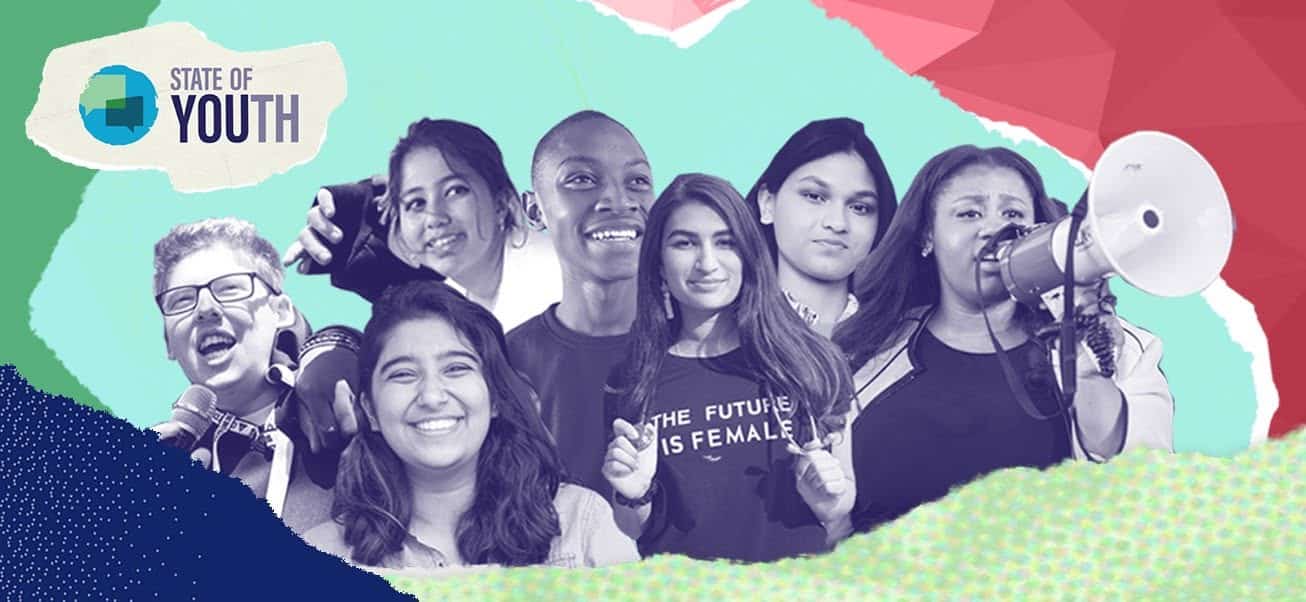
Our State of Youth Country Representatives and Youth Board members (aged 19 to 27) reviewed and reshaped the child-friendly version so that it reads the way children and young people can understand and use it.
What the Index found this year
The picture is not encouraging for child rights implementation. Only 5 countries moved up to a better cluster group, while 31 dropped to a worse one. Western Europe is the only region where 23 of the 32 countries sit in the best-performing cluster. Luxembourg, Iceland, Monaco, Germany and Norway lead the ranking in the KidsRights Index 2026.
The following two developments stand out:
Childhood obesity has become a global health emergency: In 2025, for the first time in history, more school-aged children were living with obesity than with underweight. This is a crisis driven by the environments children are placed in, not by the choices they make.
War is dismantling children’s rights across the board: One in five children worldwide now lives within 50 kilometres of a war, which is close enough to be directly impacted. And the countries where violence against children in wars is worst are also the countries failing hardest on healthcare, schooling and safety.
“We often speak about war in moments: the attack, the displacement, the loss. But children experience it as a constant presence. It can shape where we go, what we learn, whom we trust, and what we come to believe is normal.”
Bana Alabed, winner of the International Children's Peace Prize 2025
Read it, share it, use it
The child-friendly version is written for children and young people, and it is equally useful for teachers opening a lesson on children’s rights, for NGOs discussing national performance with the children they work with, and for parents exploring the interactive dashboard with their kids.